
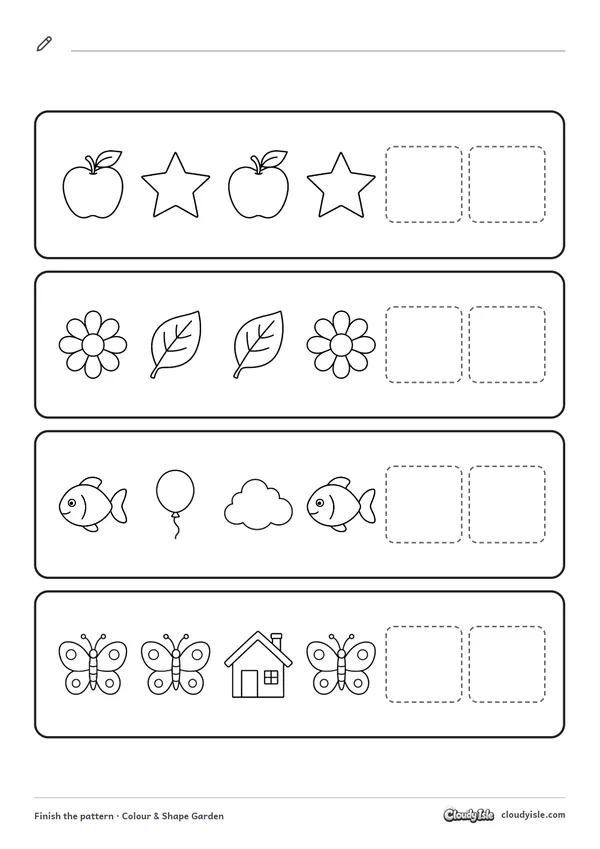
How to use this worksheet
Read each row aloud together, pointing to each picture, like a little song: "Apple, star, apple, star, apple, star… what comes next?" Your child can draw the answer in the empty boxes, or point and say it if drawing is still hard. The rows get harder down the page: the first is a simple AB pattern, the second ABB, the third ABC, and the last AAB.
Why patterns matter
Recognising what repeats, and predicting what comes next, is a thinking skill children use in maths (counting by twos, number patterns), in reading (rhymes and repeated sounds) and later in coding. Children often hear a pattern before they see it, so clapping, stomping or singing the pattern is a great first step.
More ideas in pattern activities for preschoolers and logic games for kids.
Questions parents ask
How do I explain a pattern to a preschooler?
Say it like a chant: apple, star, apple, star… what comes next? Clapping or tapping the rhythm helps children hear the repeat before they see it.
My child draws something else in the boxes. What now?
Read the row aloud together, pointing to each picture, and stop where the empty box is. Usually the rhythm makes the answer pop out. If not, try the first row with real objects such as spoons and forks.
Free for home and classroom use. Please share the link to this page rather than the PDF itself. Our guides for parents explain the skills behind each sheet.
More printables
Printable
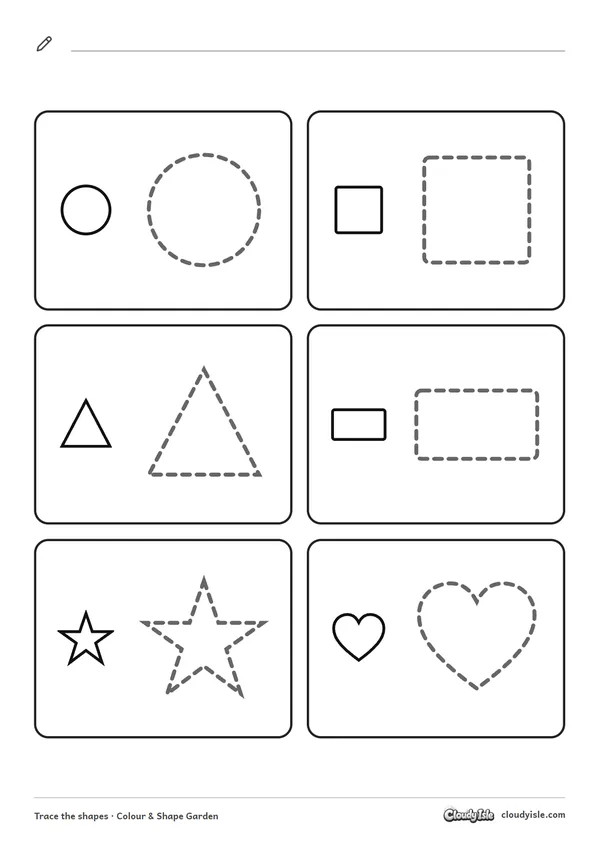
Trace the Shapes: Free Shapes Worksheet for Preschoolers
Six shapes, each with a small solid example and a big dotted outline to trace: circle, square, triangle, rectangle, star and heart. Tracing helps children feel the…
Story pack · 5 min read
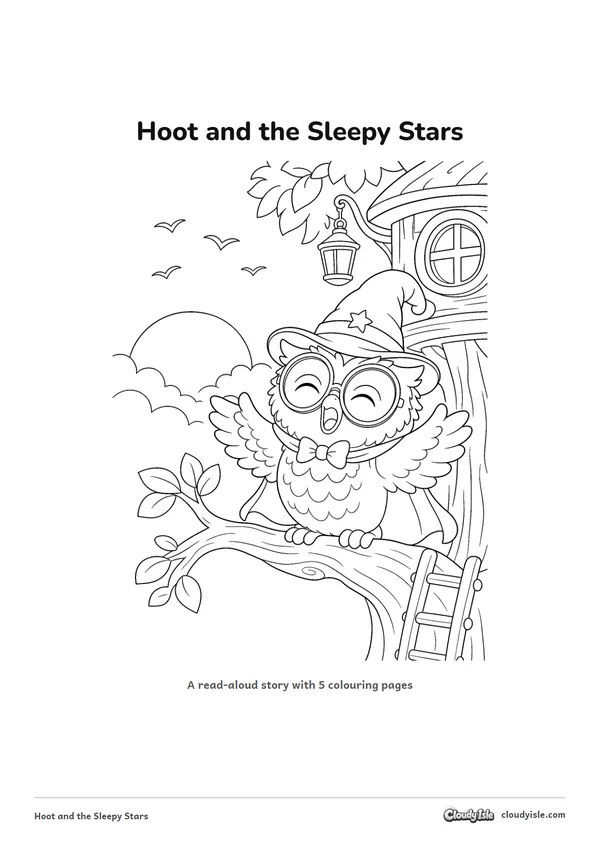
Hoot and the Sleepy Stars: A Free Bedtime Story to Read Aloud
A gentle five-minute story for grown-ups to read aloud at bedtime: Hoot the owl helps a little star who cannot sleep, with slow breathing, a quiet story and a cloud…
Story pack · 5 min read
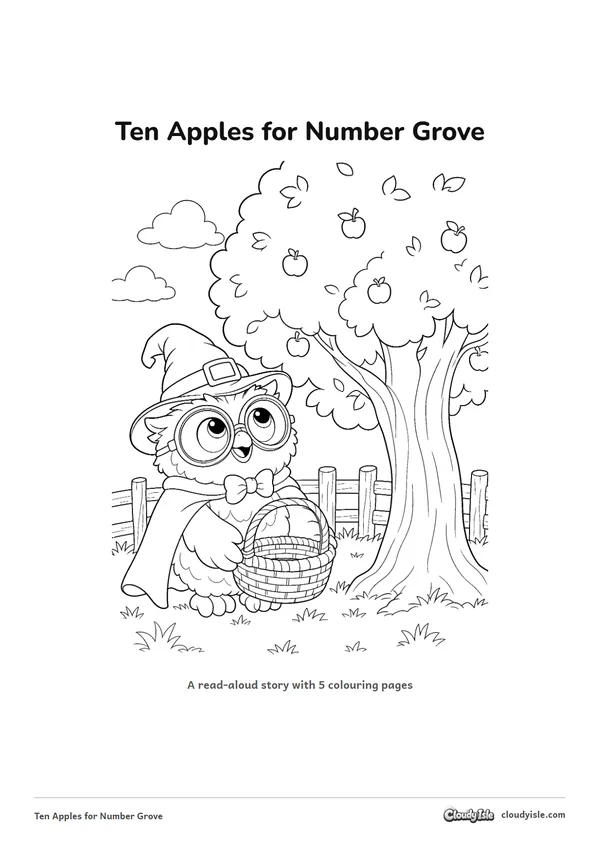
Ten Apples for Number Grove: A Free Counting Story to Read Aloud
A short counting story for grown-ups to read aloud: Hoot needs ten apples for a picnic, and his friends find them three, two and five at a time. Children count along…